How Nattokinase Affects Blood Pressure
Nattokinase is a natural enzyme extracted from natto, a traditional Japanese fermented soybean food. While it's most commonly studied for its fibrinolytic properties, its ability to break down fibrin and support cardiovascular circulation, researchers have also investigated a more direct mechanism for blood pressure: nattokinase's potential role as a natural ACE inhibitor.
ACE (angiotensin-converting enzyme) is responsible for producing angiotensin II, a compound that causes blood vessels to constrict. This is the same pathway targeted by a major class of prescription blood pressure medications. Some research suggests nattokinase may inhibit ACE activity, reducing vascular constriction and supporting lower blood pressure readings without synthetic compounds.
Beyond the ACE pathway, nattokinase's fibrinolytic activity directly improves blood viscosity and vascular health. Blood that flows more freely through healthier vessels is blood that doesn't push as hard against arterial walls. These two mechanisms, ACE inhibition and improved circulation, may explain why clinical researchers found blood pressure improvements in controlled trials.
What the Research Actually Shows
The most rigorous human trial on nattokinase and blood pressure to date is the 2008 randomized controlled trial by Kim et al., conducted over 8 weeks with 73 participants who had prehypertension or stage 1 hypertension. The results showed clinically meaningful reductions in blood pressure markers:
- Approximately 5.5 mmHg reduction in systolic blood pressure
- Approximately 2.84 mmHg reduction in diastolic blood pressure
A subsequent meta-analysis of available trials confirmed nattokinase's blood-pressure-lowering effect, noting significant reductions in both systolic and diastolic readings across the studies reviewed.
To put the magnitude in context: a consistent 5 mmHg reduction in systolic blood pressure is associated with a meaningful reduction in stroke risk and cardiovascular events. These are numbers that matter clinically, not marginal shifts.
Systolic vs. Diastolic: What Nattokinase Actually Targets
The clinical evidence is strongest for systolic blood pressure reduction — the top number above, which reflects the pressure in your arteries when your heart beats. This is typically the harder number to move with lifestyle interventions alone, making the research findings particularly notable.
For diastolic blood pressure — the bottom number above, reflecting pressure between heartbeats; the evidence shows a smaller but consistent reduction. The combined effect on both readings suggests a systemic improvement in vascular health rather than a single-mechanism intervention.
How Nattokinase Compares to Blood Pressure Medications
ACE inhibitors and ARBs (angiotensin receptor blockers) are among the most commonly prescribed blood pressure medications. They work by directly blocking components of the renin-angiotensin system that causes vasoconstriction. They're effective, fast-acting, and well-established for managing hypertension at clinical levels.
Nattokinase appears to work through overlapping mechanisms but with a narrower and more gradual effect. The reductions seen in clinical research, roughly 5 mmHg systolic, are meaningful but modest compared to what prescription antihypertensives can achieve in moderate to severe hypertension, but if you are looking for a natural approach first, nattokinase could be a decent option for you.
Nattokinase is not a replacement for prescribed blood pressure medication. Anyone currently managing hypertension with medication should speak with their doctor before adding nattokinase to their routine, particularly given its fibrinolytic activity and potential ACE-inhibitory effects, which may interact with certain cardiovascular drugs.
What the research does show is that at the right dose, nattokinase can meaningfully support blood pressure levels through a multi-pathway mechanism that includes effects prescription supplements rarely address, vascular fibrin clearance, blood viscosity, and arterial wall health. For individuals managing blood pressure proactively, it's a research-backed option that works differently from anything else on the supplement shelf.
Why Most Nattokinase Supplements Won't Move Your Blood Pressure & How Much Nattokinase Per Day For Blood Pressure Support?
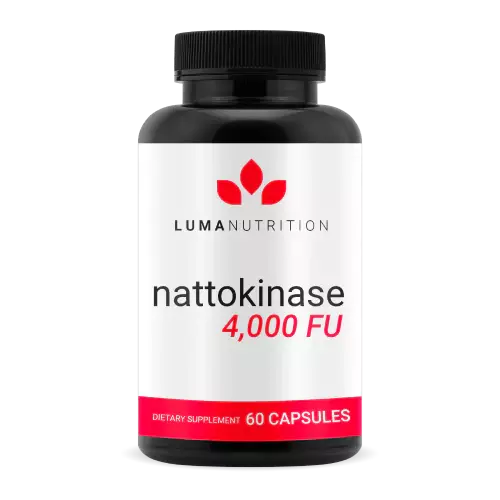
The Kim et al. trial found meaningful results at 2,000 FU daily, so if you are looking for blood pressure support alone, this could be an optional dosage for you.
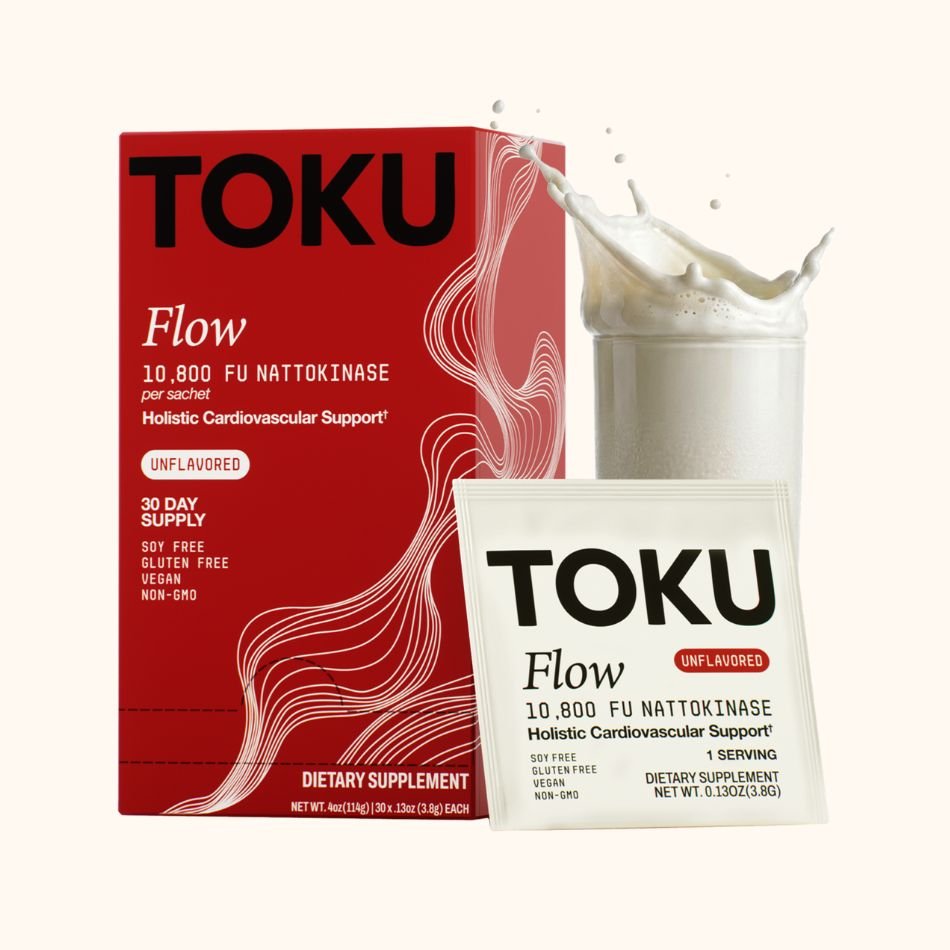
However, for those wanting to go beyond the blood pressure threshold and align with cardiovascular research more broadly, clinical research shows that nattokinase is much more effective at 10,800 FU per dose. Read more about nattokinase dosage here.
Frequently Asked Questions
Can nattokinase lower blood pressure?
Clinical research suggests it can. The 2008 Kim et al. randomized controlled trial found approximately 5.5 mmHg reductions in systolic blood pressure and 2.84 mmHg reductions in diastolic blood pressure at 2,000 FU daily over 8 weeks in adults with prehypertension or stage 1 hypertension.
How does nattokinase lower blood pressure?
Research points to two complementary mechanisms: nattokinase's potential ACE-inhibitory activity, which reduces the production of angiotensin II (a blood vessel constrictor), and its fibrinolytic effects on blood viscosity and vascular health. Both pathways support lower arterial pressure through different routes.
How long does nattokinase take to affect blood pressure?
The primary clinical trial showed meaningful results over 8 weeks of daily supplementation. Blood pressure response may vary depending on baseline levels, consistency of use, and individual physiology. Monitoring blood pressure at home throughout supplementation can help you track progress.
Is nattokinase safe to take alongside blood pressure medications?
Nattokinase has both fibrinolytic and potentially ACE-inhibitory properties that may interact with blood pressure medications, blood thinners, and other cardiovascular drugs. Anyone currently managing hypertension with prescription medications should consult their doctor before adding nattokinase to their routine.